If you’re considering driving a RAM diesel truck, you’ll likely face the decision of choosing between the Cummins 5.9L and the 6.7L engines. Both engines have their own devoted followers, having been on the market for several years, but each offers unique benefits depending on your driving needs. The 5.9 Cummins is well-known for its fuel efficiency and remarkable longevity, while the 6.7 Cummins boasts more towing power, enhanced by a variable geometry turbo for quicker response times. Both options are excellent choices, but it’s crucial to pick the right engine for your specific requirements to avoid any potential issues on the road. In this guide, we’ll look closer at the two engines and their applications in the trucking industry.
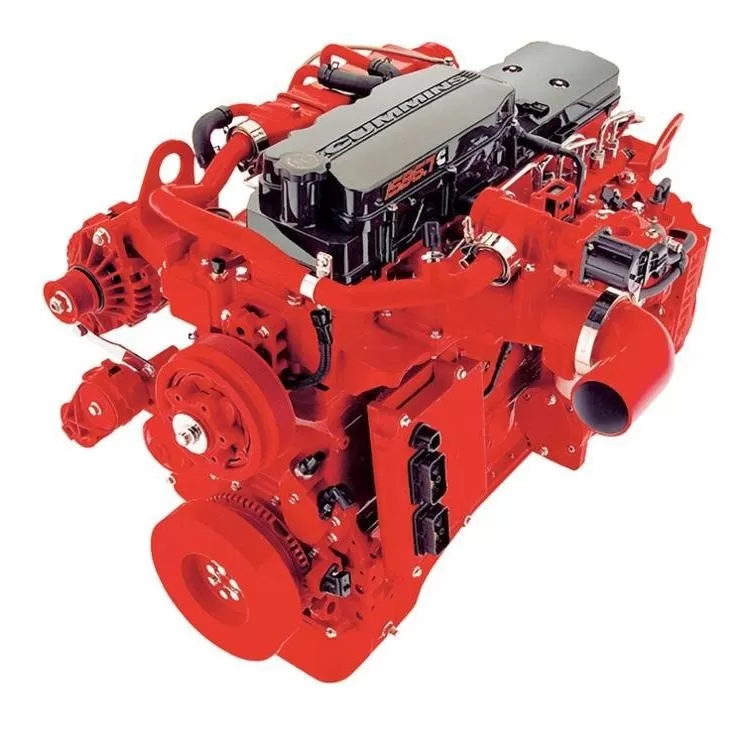
5.9 Cummins Engine Overview
The 5.9L Cummins debuted in 1989 and has undergone several updates since. The original 5.9 engine earned a reputation for simplicity and durability. Equipped with just 12 valves and minimal electronic components, this engine was designed before the trend of adding sophisticated sensors and electronic systems to reduce emissions and improve performance. This simplicity is part of why the 12V 5.9 Cummins engine remained popular for so long—fewer components meant fewer things to fail over time.
However, in 1998, Cummins replaced the 12-valve 5.9 engine with a 24-valve version, which featured an intercooled Holset turbocharger paired with a Bosch electronically controlled rotary injection pump. Later on, Cummins upgraded the rotary injection system to a high-pressure common rail solution, improving engine performance. Although many drivers prefer the straightforward nature of the 12-valve 5.9, the 24V version offers higher stock power output for those who don’t want to modify their engines with aftermarket parts.
The power output of the 24-valve 5.9 Cummins increased significantly over time, from 235 hp and 460 lb-ft of torque with the initial models to 305 hp and 555 lb-ft when the common rail system was introduced in 2003. By 2004, these numbers rose to 325 hp and 600 lb-ft. Despite the improvements, the durability of the original 12-valve model keeps it popular among truck enthusiasts.
When considering the 5.9 Cummins, it’s important to recognize the differences between the 12-valve and 24-valve versions. Both engines are known for their longevity, often surpassing 300,000 miles, but each comes with its own set of potential issues. The 12-valve engine, despite its age, remains highly valued for its robustness, though it has some known issues such as problems with the steel dowel pin, P7100 overflow valve, transmission, and heater grid. On the other hand, the 24-valve engine’s 53 block has been identified as a weak spot, along with issues related to the fuel injectors and exhaust manifold.
For the purposes of this guide, we’ll focus primarily on the common rail injection 24-valve 5.9 Cummins, which dominated the market from 2003 to 2007.
5.9 Cummins Engine Specifications:
- Displacement: 359 cubic inches (ci)
- Bore: 4.02 inches
- Stroke: 4.72 inches
- Compression Ratio: 17.2:1
- Injection System: Bosch high-pressure common rail
- Induction: Holset HE341 (2003-2004) or HE351CW (2004.5-2007) fixed geometry turbocharger
- Factory Horsepower: 325 hp (2005-2007)
- Factory Torque: 610 lb-ft (2005-2007)
6.7 Cummins Engine Overview
In 2007, Cummins replaced the 5.9L engine with the 6.7L model, largely to meet evolving emission standards. The 6.7 Cummins features numerous systems designed to reduce emissions, including exhaust gas recirculation (EGR), diesel particulate filters (DPF), and, later, selective catalytic reduction (SCR). While these innovations have made the engine more eco-friendly, they also add complexity, increasing the number of parts and sensors that can potentially fail.
One standout feature of the 6.7L Cummins is its variable geometry turbo (VGT), which automatically adjusts the flow of exhaust gas to improve engine performance. This makes the 6.7 Cummins more responsive and agile than the 5.9, particularly when towing heavy loads. The VGT delivers more torque at lower RPMs, which is a major advantage for those who frequently haul large trailers or equipment.
The 6.7 Cummins also introduced several new emission reduction technologies, including an exhaust gas recirculation cooler that lowers the temperature of the exhaust gas before it is recirculated into the combustion chamber. The diesel particulate filter captures particulate matter from the exhaust, reducing harmful emissions. In 2013, selective catalytic reduction was added, injecting diesel exhaust fluid (DEF) into the exhaust to further lower NOx emissions.
Despite these innovations, the 6.7 Cummins is heavier and more complex than its 5.9 predecessor, which impacts fuel economy. Still, for drivers who prioritize towing power over fuel efficiency, the 6.7 Cummins is the clear winner.
6.7 Cummins Engine Specifications:
- Displacement: 408.2 cubic inches (ci)
- Bore: 4.21 inches
- Stroke: 4.88 inches
- Compression Ratio: 17.3:1
- Injection System: Bosch high-pressure common rail
- Induction: Holset HE351VE variable geometry turbocharger
- Factory Horsepower: 350 hp (2007.5-2012), 385 hp (2013-2016)
- Factory Torque: 650 lb-ft (2007.5-2012), 850 lb-ft (2013-2014), 865 lb-ft (2015), 900 lb-ft (2016)
Key Differences Between the 5.9 and 6.7 Cummins Engines
Performance
Both engines are comparable in terms of performance, with each utilizing a common rail injection system. However, the 6.7 features larger fuel rails, fuel rail feed lines, and injector lines compared to the 5.9, allowing it to handle higher pressure, which leads to more torque and power. The 6.7 also requires less voltage to operate its injectors, which are tied directly to the electronic control unit. This contrasts with the 5.9, where injectors can be more easily interchanged between cylinders.
Reliability
When it comes to reliability, the 5.9 is often favored due to its simplicity. The 6.7 is equipped with many more components designed to lower emissions, and these parts can lead to problems if they become dirty or damaged. For instance, excess NOx emissions can lead to carbon buildup, which can degrade engine oil and coolant, essential elements for proper engine function. Regular maintenance of parts like the EGR cooler and diesel particulate filter is required to keep the 6.7 running smoothly.
The 5.9, particularly the models manufactured before 2002, doesn’t come with an EGR cooler, reducing the potential for this type of failure. However, the higher fuel pressure in the 6.7’s injection system can sometimes lead to gasket head failure, an issue less common in the 5.9.
Fuel Economy
Fuel economy is one area where the 5.9 shines. The added weight and complexity of the 6.7 lead to reduced fuel efficiency, typically 20% to 30% lower than that of the 5.9. On the highway, the 6.7 generally consumes two to three more gallons per mile compared to the 5.9, especially if the 5.9 is an older model made before the introduction of emissions control systems like the EGR cooler and DPF.
Towing Capacity
For drivers who frequently tow or haul heavy loads, the 6.7’s variable geometry turbo provides significant advantages. The turbocharger allows the engine to adjust the flow of exhaust gas automatically, delivering more torque at low RPMs and helping the truck handle large loads with ease. The 6.7 also comes equipped with an exhaust turbo brake, which increases backpressure to slow engine speed and helps stop the truck more efficiently when towing heavy cargo.
Emissions Control
The 6.7 Cummins was specifically designed to meet stricter emission regulations, unlike the 5.9, which predates many of these standards. The 6.7 is equipped with advanced emission control systems, including EGR, DPF, and SCR. While these systems help reduce harmful pollutants, they also lower engine efficiency and increase maintenance needs. For example, the EGR cooler reduces combustion temperatures, which prevents the fuel from burning as completely as it does in the 5.9, leading to a buildup of carbon deposits.
Low-End Torque
One of the main benefits of the 6.7 is its increased torque at lower RPMs compared to the 5.9. This is mainly due to the 6.7’s larger stroke, which translates into better towing capabilities. However, the added cylinder pressure in the 6.7 can lead to issues like head gasket failure. The 5.9, with its smaller displacement, doesn’t typically face these issues, although it may struggle to match the 6.7’s towing power.
FAQs
Conclusion
When comparing the 5.9 and 6.7 Cummins engines, both have their pros and cons, depending on your needs. The 5.9 is celebrated for its simplicity, reliability, and fuel economy, making it an excellent choice for those who prioritize longevity and efficiency. On the other hand, the 6.7 offers superior towing capabilities and lower-end torque, making it ideal for drivers who need to haul heavy loads frequently. However, its complexity and the addition of emission control systems come at the cost of fuel efficiency and higher maintenance demands.
Hawks Parts is a professional Cummins parts supplier wholesale in China, we provide Genuine, OEM, and aftermarket parts for your choice.
CONTACT US NOW
24 hours on line