How to Tell If Your Cummins Injection Pump Is Bad: Symptoms, Common Issues, and Maintenance
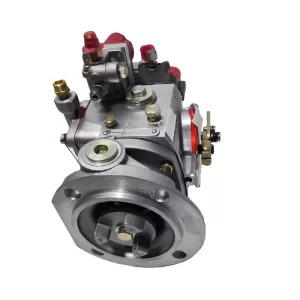
Diesel engines, especially those equipped with Cummins injection systems, rely on the Cummins fuel injection pump to deliver the necessary amount of fuel to the Cummins engine at the correct pressure and timing. When the injection pump fails or deteriorates, it impacts engine performance, fuel efficiency, and overall vehicle functionality. To avoid significant engine damage, recognizing the early warning signs and understanding common issues with injection pumps is critical. This article will provide a comprehensive guide on how to identify a faulty Cummins injection pump, the most common problems, diagnostic techniques, and maintenance tips to prolong its life.
If you’re experiencing issues with your diesel engine or suspect your injection pump may be malfunctioning, we offer high-quality Cummins injection pumps and related components.
Key Symptoms of a Failing Injection Pump
A failing Cummins injection pump can cause a variety of symptoms that can easily be mistaken for other engine-related problems. Recognizing these symptoms early on can prevent further damage to your vehicle and save you from costly repairs. Here are the most common signs that your Cummins injection pump may be bad:
- Hard Starting: If your vehicle has trouble starting, it could be because the injection pump is unable to supply the correct amount of fuel. The engine may take longer to start or may not start at all in severe cases.
- Reduced Engine Power: A noticeable drop in engine performance, especially during acceleration, is often linked to an issue with the injection pump not delivering enough pressurized fuel to the engine.
- Increased Fuel Consumption: When the pump is inefficient, the engine compensates by burning more fuel, leading to a decrease in fuel efficiency and higher fuel costs.
- Excessive Exhaust Smoke: If your vehicle starts producing more smoke than usual—particularly black smoke—it can indicate poor fuel combustion caused by inconsistent fuel delivery.
- Rough Idling: An erratic or rough idle, especially when starting the engine cold, could be due to irregular fuel delivery from a malfunctioning pump.
- Delayed Acceleration: When there is a delay in acceleration response, it often signals that the injection pump is struggling to supply fuel quickly enough to meet the engine’s demands.
- Engine Misfiring: Misfires can occur when the fuel delivery is erratic, which could be a result of internal wear within the injection pump.
These symptoms, while typical of injection pump failure, can also indicate other issues in the fuel system or engine. Therefore, it’s important to properly diagnose the problem before performing any repairs.
Common Cummins Injection Pump Issues
Due to the critical role the injection pump plays in diesel engines, it’s subjected to significant wear and tear over time. Understanding the most common problems associated with Cummins injection pumps can help you take preventive action before a total failure occurs.
- Worn Internal Components
The pump relies on precisely fitted parts like plungers and barrels that control fuel flow to the engine’s cylinders. Over time, the constant pressure and heat cause these parts to wear, which in turn results in inaccurate fuel delivery. This can lead to poor combustion and reduced engine efficiency. - Seal and Gasket Leaks
Seals and gaskets are responsible for maintaining internal pressure and preventing fuel leaks. However, with age, these seals can crack or break, allowing fuel to leak from the pump. This decreases fuel pressure and can result in power loss and rough idling. If you smell fuel or notice stains around the pump, it’s time to check for leaks. - Insufficient Lubrication
Diesel fuel serves a dual purpose: it powers the engine and provides some lubrication for the injection pump. However, if the fuel is contaminated with dirt, water, or other debris, it loses its lubricating properties, which increases friction between moving parts and leads to faster wear and tear on the pump. - Clogged Fuel Filters
Fuel filters are designed to catch contaminants before they reach the pump. When these filters become clogged, they restrict the flow of fuel to the injection pump, reducing the pressure and causing a loss of power. Regularly replacing your fuel filters is essential for maintaining the health of your injection system. - Electrical Issues
Modern diesel engines rely heavily on electronics to control the fuel injection process. If there is a failure in the electronic control system, such as faulty sensors or wiring, the pump may not deliver fuel at the right pressure or timing, leading to performance problems.
What is the fuel pump problem with the Cummins X15?
The Cummins X15’s fuel system faces more than just fuel filter issues—its ceramic fuel pumps are also prone to instability, mainly because of a slipping drive gear. This flaw was significant enough to prompt a recall in 2017. While it might not seem like a major concern initially, it can lead to persistent problems such as sputtering or engine stalling, reduced engine performance due to low oil pressure, prolonged cranking, and eventually, engine failure.
If you suspect your fuel pump is malfunctioning, it’s crucial to have your vehicle inspected and repaired at a certified Cummins service center. For optimal results, we recommend replacing the factory-installed fuel pump with a high-pressure OEM alternative.
Diagnostic Tools and Techniques
Accurately diagnosing a faulty injection pump requires more than just recognizing symptoms. Specialized diagnostic tools can provide precise data to help identify specific issues with the injection system. While some problems can be detected through visual or sensory inspection (like listening for unusual noises or checking for leaks), the following tools are essential for a more in-depth analysis:
- Scan Tools: These devices read error codes stored in the vehicle’s ECU (Electronic Control Unit), offering insights into any fuel system or engine issues.
- Fuel Pressure Gauges: These gauges measure the pressure of the fuel being delivered to the engine. If the pressure is too low, it indicates that the pump isn’t working efficiently.
- Dial Indicators: This tool measures the movement of internal components within the injection pump, helping to detect irregularities or excessive wear.
Using these diagnostic tools, you can pinpoint the exact problem with your injection pump and decide whether it requires a complete replacement or just a minor repair.
Preventing Cummins Injection Pump Failure Through Maintenance
Regular maintenance of your fuel injection system is key to preventing costly repairs and extending the life of your Cummins injection pump. The following tips will help you keep your pump in optimal working condition:
- Regularly Inspect and Replace Fuel Filters: Fuel filters act as the first line of defense against contaminants in the fuel. Over time, these filters can become clogged, reducing the flow of fuel to the pump. Replace them regularly to maintain fuel cleanliness.
- Use High-Quality Fuel: The quality of fuel you use directly impacts the performance of the injection pump. Using high-quality diesel fuel that is low in contaminants helps ensure proper lubrication and reduces wear on the pump components.
- Check for Leaks: Regularly inspect the area around your injection pump for signs of leaks. Addressing a leak early on can prevent it from turning into a more significant problem that could damage the entire fuel system.
- Keep the Fuel Tank Clean: Dirt and debris in the fuel tank can find their way into the injection system and cause blockages or damage. Make sure the fuel tank is kept clean and free of contaminants during regular maintenance.
- Monitor Engine Performance: Pay attention to how your engine behaves. A change in power, rough idling, or delayed acceleration can all be signs of an injection pump issue. Addressing these problems early can prevent further damage.
Frequently Asked Questions (FAQs)
Conclusion
A faulty Cummins injection pump can lead to various engine performance issues, from hard starting and power loss to increased fuel consumption and misfiring. Recognizing the symptoms of a failing pump, diagnosing the problem accurately, and taking preventive measures through regular maintenance are all essential steps to prolong the life of your diesel engine.
By proactively maintaining your Cummins injection pump, you can avoid costly repairs, enhance engine performance, and ensure your diesel vehicle runs smoothly for years to come.
For regular maintenance parts and expert advice on how to care for your Cummins injection pump, Request a Quote to find the parts and services you need.
CONTACT US NOW
24 hours on line